Continuous Threat Exposure Management (CTEM) is a continuous, risk-based cybersecurity program that helps organizations identify, validate, and remediate exposures based on real-world exploitability and business impact. It turns overwhelming vulnerability data into actionable intelligence and measurable risk reduction.
In this article, we’ll walk through CTEM, explaining why it’s critical for modern security, how its 5-phase lifecycle works, and its key differences from traditional vulnerability management.
Key Takeaways
-
CTEM turns visibility into action. It shifts organizations from reactive vulnerability scanning to a continuous, business-driven program that identifies, prioritizes, validates, and remediates exposures.
-
Validation is what makes CTEM different. By testing exploitability in real-world conditions, teams distinguish between theoretical risks and those that truly threaten operations.
-
Five phases keep CTEM continuous. Scoping defines focus, Discovery maps assets and risks, Prioritization adds business context, Validation proves what’s exploitable, and Mobilization drives remediation.
-
The result is measurable risk reduction. CTEM helps teams cut false urgency, reduce patch backlogs, and communicate validated security outcomes in business terms.
-
Supported by technologies like BAS and automated pentesting, CTEM operationalizes continuous improvement, aligning technical defenses with organizational priorities.
Why Is CTEM Important?
Security teams today face a growing challenge: as organizations expand across cloud, hybrid, and remote environments, the attack surface expands faster than defenders can keep up. Traditional vulnerability management tools generate endless alerts but offer little clarity on what’s actually exploitable.
That’s why CTEM is important. It helps organizations move from data overload to actionable insight, focusing on exposures that truly matter.
CTEM continuously identifies, prioritizes, and validates risks based on real-world exploitability and business impact, allowing teams to understand which threats pose genuine danger and which do not.
In a world where attackers exploit opportunity faster than defenders can react, CTEM provides the clarity, context, and confidence needed to focus defenses where they matter most.
Understanding 5 Stages of the CTEM Lifecycle
The CTEM framework operates as a continuous five-step cycle: scoping, discovery, prioritization, validation, and mobilization. Each phase feeds into the next, ensuring the security program continually adapts to emerging threats and evolving business needs.
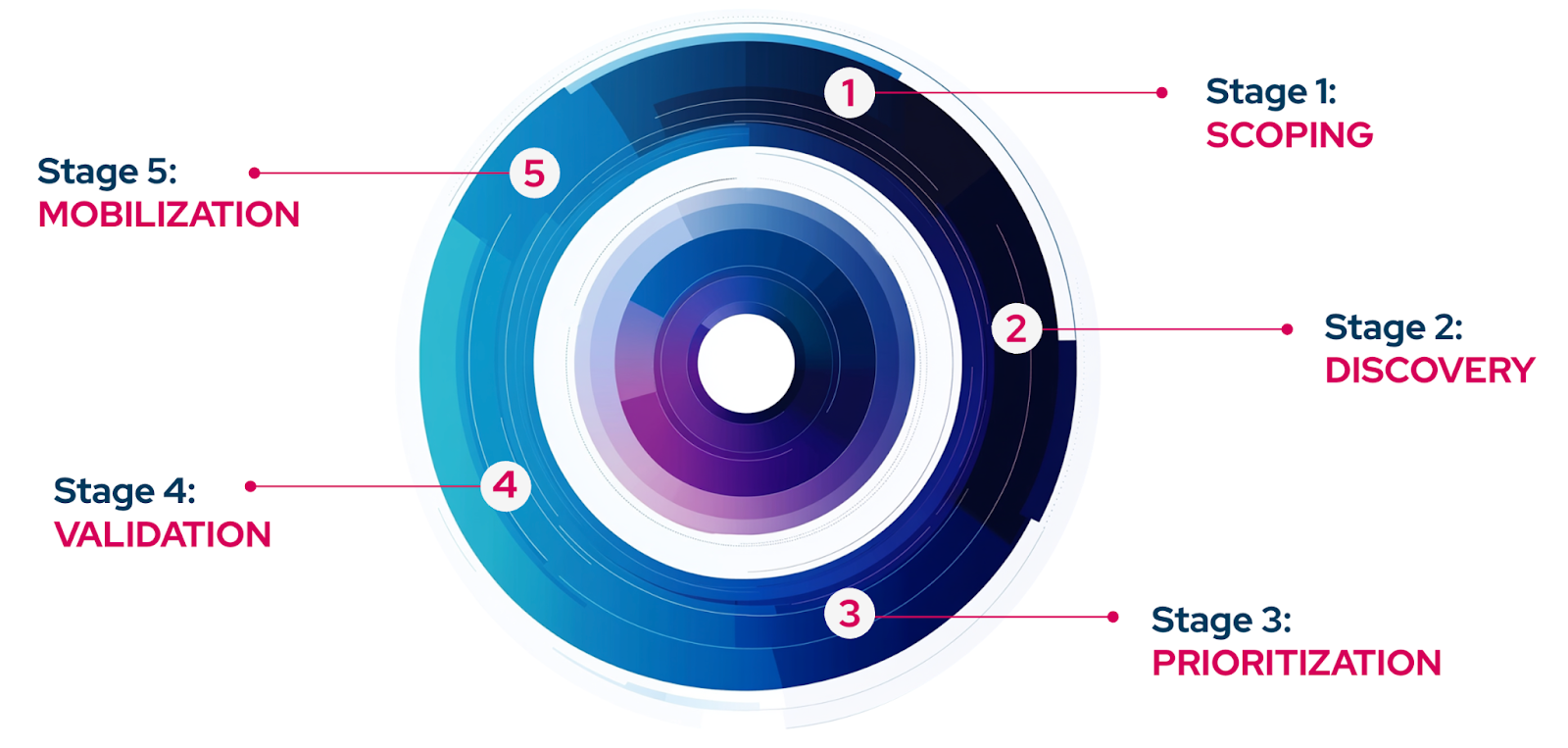
Figure 1. Five Stages of the CTEM Framework
1. Scoping
Scoping is the first step in the CTEM framework. It defines what will be covered in the current CTEM cycle, including the business areas, assets, technologies, and processes within scope for exposure management.
This phase requires collaboration between business and technical stakeholders. Business teams identify critical processes, while technical teams map the assets, systems, and applications that support them.
Scoping sets clear boundaries to keep the next CTEM phases focused and effective.
Boundaries to define:
- Organizational units, geographies, and business functions included in this cycle
- Environments such as on-premises, cloud, SaaS, supply chain, and third parties
- Assets such as servers, applications, data, and identities that support in-scope business functions
What scoping isn’t
Scoping is not the enumeration of all assets or vulnerabilities that comes during the Discovery phase. If you do scoping poorly and already try to do full discovery without boundaries, you may flood yourself with low‐value work.
2. Discovery
The discovery phase of the CTEM process is an in-depth exploration of the infrastructure defined during scoping. Security teams identify all assets within scope, including hidden or unknown ones, and assess their risk profiles.
During this phase, teams:
- Map the complete attack surface, including internal and external assets, applications, data, cloud, and on-premises environments
- Identify vulnerabilities (CVEs), along with misconfigurations, weak controls, and shadow IT that increase exposure
- Detect potential attacker paths that could be exploited
- Build a risk-profiled asset inventory that supports the next CTEM phase, Prioritization
The data gathered in this phase enables security teams to focus on the most significant risks in their environment.
3. Prioritization
The prioritization phase of the CTEM process focuses on identifying which exposures truly matter to the business. It separates the few critical risks from the flood of low-impact findings generated by traditional vulnerability management.
-1.png?width=568&height=287&name=image%20(14)-1.png)
Figure 2. Prioritization Orders Vulnerabilities within a Business Context
During this step, security teams analyze exposures using global data and contextual factors such as:
- CVSS scores to measure technical severity
- EPSS to estimate real-world exploit likelihood
- business context to assess the potential impact on essential systems and processes
- threat intelligence to understand current attacker behavior and active exploit trends
The goal is to rank exposures by real business impact rather than solely on a theoretical severity score, like CVSS.
The prioritization stage does not reduce the number of identified vulnerabilities; instead, it categorizes and prioritizes them to guide validation efforts.
By organizing vulnerabilities into a risk-based list, it sets the foundation for the validation step, where the most critical issues are tested to determine if they are truly business-critical and exploitable.
This approach enables teams to focus their limited resources on the vulnerabilities most likely to be exploited and most damaging if compromised.
4. Validation
The validation phase of the CTEM process confirms which prioritized exposures can actually be exploited in your environment. It provides proof of exploitability by testing risks in context, turning assumptions into evidence and demonstrating which threats truly matter most.
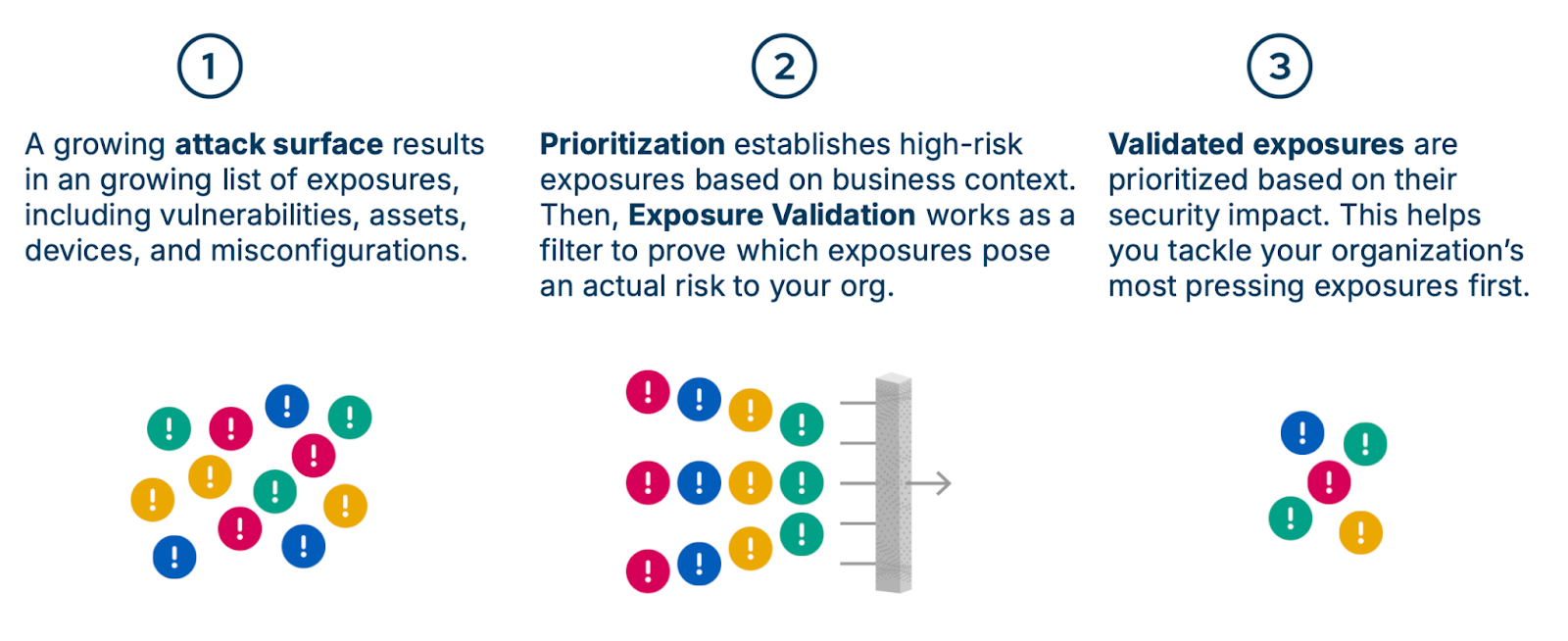
Figure 3. Validation Shows Which Vulnerabilities Need Immediate Attention
In this step, security teams rely on Adversarial Exposure Validation (AEV) technologies to simulate real attack scenarios and verify how defenses perform. AEV combines techniques such as Breach and Attack Simulation (BAS) and Automated Penetration Testing to assess exploitability and control effectiveness safely and continuously.
Validation enables teams to:
- Confirm which exposures are truly exploitable in their unique IT environment
- Measure how effectively existing security controls prevent or detect attacks
- Identify detection gaps and response weaknesses that could allow business disruption
- Determine which vulnerabilities could result in actual harm, downtime, or operational damage
- Validate that remediation efforts have successfully reduced or eliminated real-world risk
How Does Validation Step Work in Practice?
Take Log4j as an example. When it first surfaced, every scanner lit up red. CVSS scores gave it a 10.0 (Critical), EPSS models flagged high exploit probability, and asset inventories showed it was scattered across environments.
Traditional methods left security teams with a flat picture, instructing them to treat every instance as equally urgent. The result? Resources quickly spread thin, wasting time chasing duplicates of the same problem.
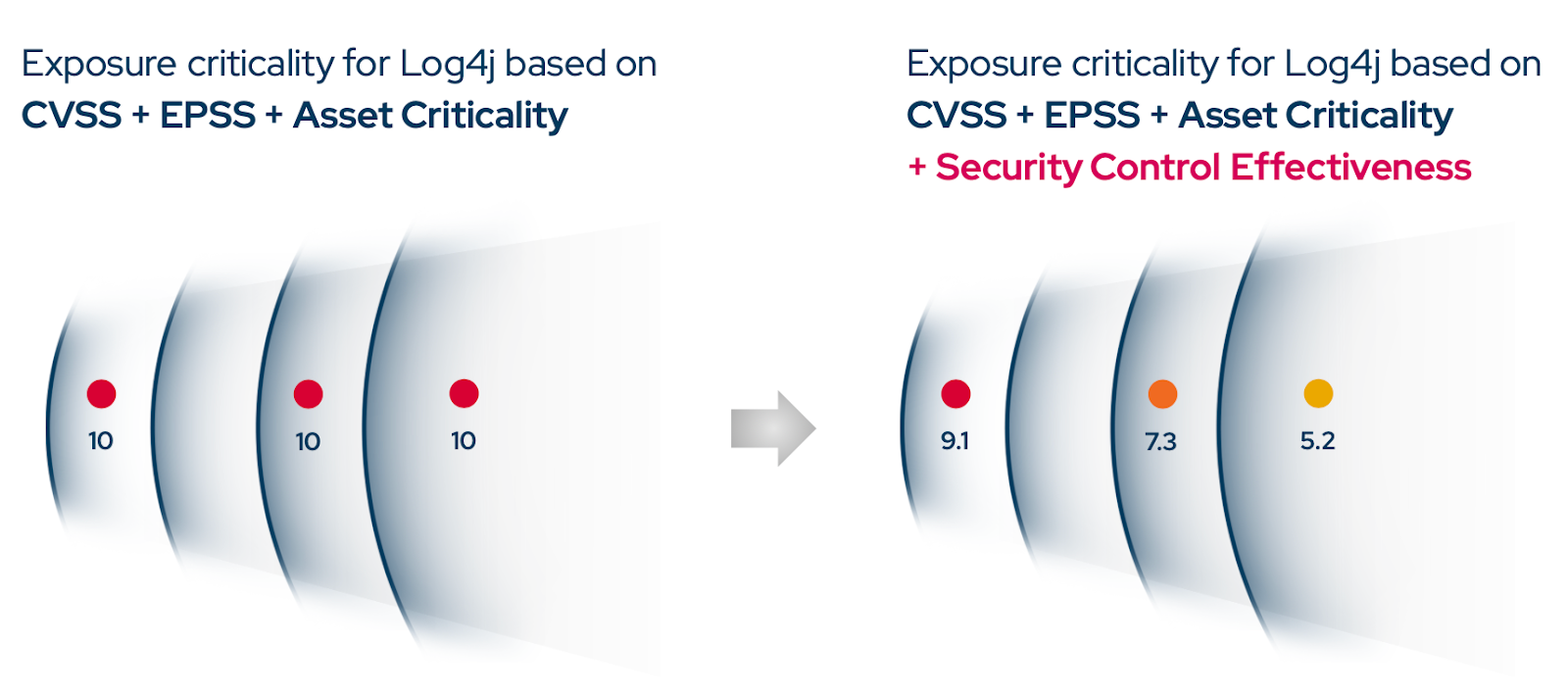
Figure 4. Validating Log4Shell Vulnerability with Breach and Attack Simulation
Adversarial Exposure Validation changes the narrative. By validating in context, teams quickly see that not every Log4j instance is a crisis.
|
One system might already have effective WAF rules, compensating controls, or segmentation that drops its risk score from a 10.0 to a 5.2. That reprioritization shifts it from "drop everything now" with klaxons blaring, to "patch as part of normal cycles". |
Meanwhile, AEV can also reveal the opposite scenario: a seemingly low-priority misconfiguration in a SaaS app could chain directly to sensitive data exfiltration, elevating it from "medium" to "urgent".
5. Mobilization
The Mobilization phase of the CTEM process is where validated insights turn into concrete action. It is the operational stage of executing remediation based on confirmed, prioritized risks.
During this phase, validated vulnerabilities and exposures are formally assigned to the appropriate teams according to their criticality and business impact. Mobilization ensures that resources, people, and timelines are managed efficiently and governed by clear service-level agreements (SLAs).
For example:
- A high-severity vulnerability that poses immediate risk to critical systems might be assigned to a dedicated response team with a 24-hour SLA for mitigation.
- A medium-severity issue could be routed to an infrastructure or application team with a two- to three-week resolution window.
Mobilization transforms CTEM from analysis to action. It ensures that validated risks are addressed in a structured, prioritized, and measurable way, so that remediation efforts deliver the greatest reduction in real-world business risk.
CTEM vs. Traditional Vulnerability Management
Traditional vulnerability management offers visibility but often floods teams with unprioritized findings. CTEM, defined by Gartner and exemplified by Picus Security, shifts to a continuous, evidence-based approach that focuses on exploitable, business-critical, and verifiably impactful exposures.
The table below outlines the key differences between the two.
|
Aspect |
Traditional Vulnerability Management (VM) |
Continuous Threat Exposure Management (CTEM) |
|
Approach |
Reactive and periodic; focused on finding and patching vulnerabilities. |
Proactive and continuous; manages exposures as an ongoing program aligned with business risk. |
|
Objective |
Detect and remediate known vulnerabilities (CVEs). |
Identify, prioritize, validate, and remediate exposures based on real-world exploitability and impact. |
|
Scope |
Primarily infrastructure and software vulnerabilities. |
Entire attack surface, includes cloud, SaaS, identity, misconfigurations, and control effectiveness. |
|
Frequency |
Periodic scans (weekly, monthly, or quarterly). |
Continuous monitoring and iterative improvement. |
|
Prioritization Method |
Based mainly on CVSS severity scores. |
Uses CVSS, EPSS, threat intelligence, and business context to determine true risk. |
|
Validation |
Rarely performed; assumes all “critical” issues are equally dangerous. |
Actively tests exploitability using Adversarial Exposure Validation (AEV) techniques such as BAS and automated pentesting. |
|
Outcome |
Large lists of vulnerabilities with limited business context. |
Actionable, risk-based insights showing which exposures can truly harm the organization. |
|
Remediation |
Patch everything possible, often without clear prioritization. |
Mobilize resources strategically to fix validated, high-impact exposures first. |
|
Business Alignment |
Focused on technical compliance and patching metrics. |
Links technical risk to business impact, improving communication with executives. |
|
Maturity Goal |
Maintain compliance and reduce vulnerability count. |
Achieve measurable, continuous reduction of real-world risk. |
What Are the Benefits of a CTEM Program?
Here are the three main benefits of leveraging a CTEM program.
- Cuts Through the CVE Overload: On average, 63% of vulnerabilities were initially classified as high or critical. After applying contextual validation and re-prioritizing based on exploitability and business impact, only 10% remained truly critical, an 84% reduction in false urgency. This clarity saves hundreds of analyst hours and helps security teams focus on the exposures that genuinely matter.
- Reduces Patching Workload: There is no point in rushing to patch vulnerabilities already mitigated by existing security controls. CTEM helps teams focus their limited resources where they have the greatest impact. By validating which exposures are truly exploitable, organizations significantly reduce their vulnerability backlog, mean time to remediate (MTTR), and rollback rates, improving both efficiency and resilience.
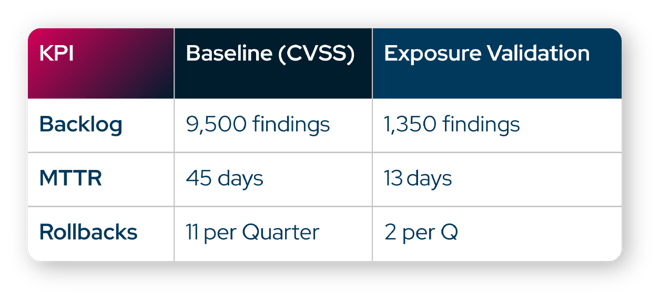
Figure 5. How KPIs Improve Backlog, MTTR, Rollbacks
- Improves Board-Level Reporting: CISOs can present to the board armed with a high-confidence validation-based backed by continuous and evidence-based data. It’s a metric that directly translates to business value, not excessive technical detail.
What Are the Best Practices for Implementing a CTEM Program?
- Start with a defined scope: Begin with a focused area, such as a key business unit or critical application, before expanding across the organization.
- Align with business objectives: Ensure CTEM efforts tie directly to business priorities and risk appetite, not just technical metrics.
- Engage cross-functional teams: Involve security, IT, DevOps, and business stakeholders to maintain collaboration and shared accountability.
- Leverage existing tools and data: Integrate data from vulnerability scanners, endpoint tools, and cloud platforms to avoid duplication and maximize coverage.
- Adopt automation and orchestration: Automate discovery, validation, and reporting to maintain continuous visibility and reduce manual workload.
- Incorporate threat intelligence: Use real-world exploit and adversary data to prioritize exposures based on current attacker activity.
- Continuously validate exploitability: Test high-risk exposures regularly to confirm which ones can actually be exploited in your environment.
- Establish measurable KPIs: Track metrics such as mean time to validate, mean time to remediate, and reduction in exploitable risks.
- Promote continuous learning: Use findings to improve detection rules, incident response, and overall resilience.
- Iterate and mature over time: Treat CTEM as a living program, refine scope, tools, and processes with each cycle to enhance effectiveness.
What Tools and Technologies Can Be Used to Support a CTEM Program?
Implementing a successful CTEM program is not about adopting a single tool but embracing a continuous, programmatic approach. It requires a suite of technologies that support the discovery, prioritization, validation, and mobilization stages to enable effective and ongoing threat mitigation.
Discovery Step Tooling
can operate independently or integrate data from existing technologies to provide full visibility across the attack surface. To achieve this, organizations typically combine several complementary tools, including:
- Attack Surface Validation (ASV): Delivers risk-based visualization and prioritization of assets and vulnerabilities across environments
- Cloud Security Validation (CSV): Identify and address cloud security exposures to achieve a proactive approach to cloud security posture management (CSPM) and cloud infrastructure entitlement management (CIEM.)
- Endpoint security tools: Provide critical data for internal asset discovery and visibility.
- Vulnerability assessment tools: Detect known vulnerabilities (CVEs) across infrastructure, endpoints, and applications.
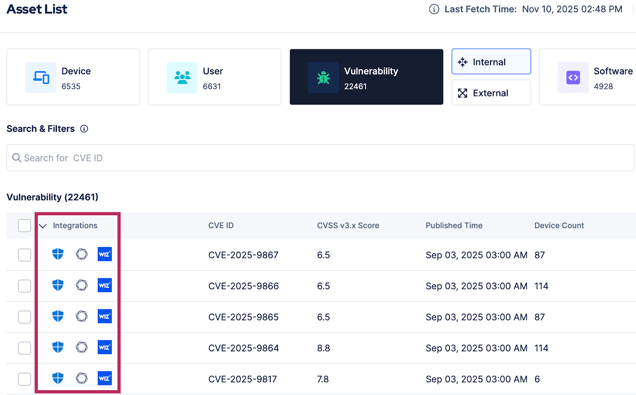
Figure 6. Asset Listing with Picus Security Validation Platform
For example, in the Picus Platform, a sample implementation in a typical enterprise environment identified 22,461 vulnerabilities through integrations with Microsoft Defender for Endpoint, Tenable, and the Wiz Cloud Security Platform.
These are just a few examples of integrations that support comprehensive asset discovery. They demonstrate how vulnerabilities are detected and how CVSS scores are assigned.
In addition to vulnerabilities, the Discovery step also gathers detailed information about devices, users, and software assets, thanks to the combined data provided by these integrated tools and technologies.
Validation Step Tooling
CTEM demands validation, but validation requires finesse and adversarial context, which Adversarial Exposure Validation (AEV) technologies deliver. They help further cut through inflated "priority" lists and prove in practice which exposures will actually open the door to attackers.
Two technologies drive this automation.
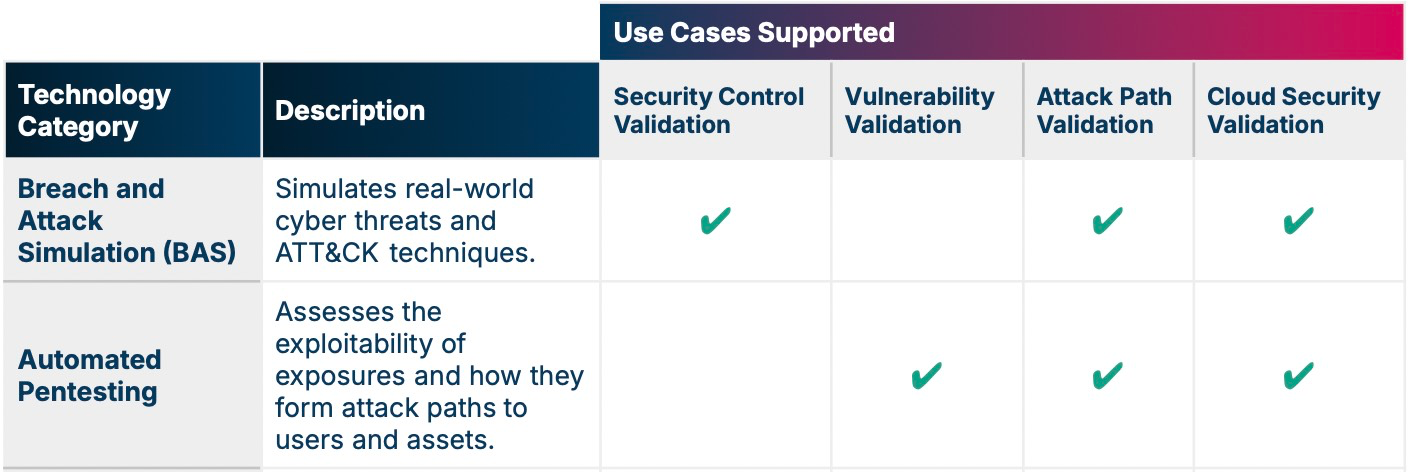
Figure 7. Validation Step Tools and Technologies for the CTEM Framework
- Breach and Attack Simulation (BAS) continuously and safely simulates and emulates adversarial techniques like ransomware payloads, lateral movement, and data exfiltration to verify whether your specific security controls will actually stop what they're supposed to. It's not a one-time exercise but an ongoing practice, with scenarios mapped to the MITRE ATT&CK threat framework for relevance, consistency and coverage.
- Automated Penetration Testing goes further by chaining vulnerabilities and misconfigurations the way real attackers do. It excels at exposing and exploiting complex attack paths that include Kerberoasting in Active Directory or privilege escalation through mismanaged identity systems. Instead of relying on an annual pentest, Automated Pentesting lets teams run meaningful tests on demand, as often as needed.
How Picus Security Supports Your CTEM Program?
Picus Security offers a powerful example of how effective exposure management can be achieved in practice.
The Picus Security Validation Platform integrates with existing security controls and assessment tools to map the entire attack surface within scope, perform in-depth exposure discovery, and deliver comprehensive Adversarial Exposure Validation through BAS and automated penetration testing.
- "Are we protected against the latest threats?"
- "Can our team detect and respond if defenses fail?"
- "Where are our gaps, and are we getting better?"
Security leaders should view AEV as a strategic pillar of their CTEM programs. Even small-scale adoption can deliver meaningful results, greater confidence in security posture, faster threat detection, and a measurable reduction in breach risk.
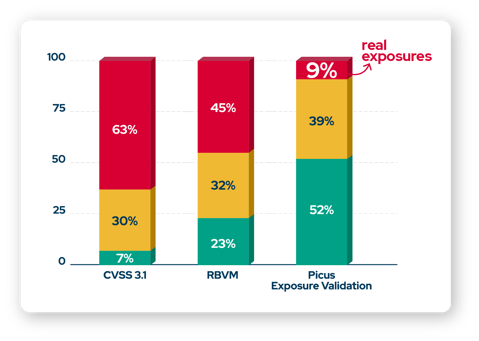
Figure 8. Picus Platform Identifies Exploitable Exposures for Smarter Mobilization
Using validation data on top of asset importance, business criticality, CVSS, EPSS, Picus dynamically re-prioritizes vulnerabilities with the Picus Exposure Score, assigning true severity levels that guide smarter and faster remediation.
In doing so, Picus supports every step of the CTEM cycle, from scoping and discovery to prioritization, validation, and mobilization.
To see how Picus can help you build and mature your CTEM program, request a demo.


-3.png?width=353&height=200&name=image%20(79)-3.png)
.png?width=353&height=200&name=what-is-exposure-assessment-blog-preview%20(1).png)