TL:DR;
- BAS asks your defenses one question: "Is this control working as intended?" Automated pentesting asks a different question: "How far could an attacker actually get?"
- Each BAS assessment runs independently, a blocked technique doesn't prevent the next one from executing. Automated pentesting chains vulnerabilities sequentially, so a single blocked step leaves every downstream technique in an attack path untested.
- Automated pentesting cannot fully validate 6 major attack surfaces, providing partial coverage for 4 of them.
- BAS validates control effectiveness broadly but can't chain a misconfigured permission, a weak credential, and an unpatched service into a proven attack path to Domain Admin.
- Real-world data confirms the gap: only 14% of logged adversarial activity generates an alert (BAS finding), while 22% of organizations have an unvalidated path straight to Domain Admin (pentesting finding).
- Adding "AI-powered" to automated pentesting doesn't fix the problem, autonomy changes how a tool runs within its scope, not the scope itself. Architectural gaps, procedure limits, and chain dependencies remain.
- The strongest posture requires both, unified by an intelligence layer that normalizes outputs into a single, prioritized action queue.
There's a debate circulating in security circles that sounds reasonable on the surface but collapses under operational scrutiny:
Should you run Breach and Attack Simulation (BAS) or Automated Penetration Testing? Some vendors have gone further, arguing that automated pentesting should replace BAS entirely. For practitioners responsible for defending real environments, this framing is the problem. It's a coverage regression disguised as simplification.
The short answer: you need both. They answer fundamentally different questions about fundamentally different risks. And the data from production environments proves it.
How BAS Works — and How Automated Pentesting Is Different
Before evaluating whether one can replace the other, practitioners need to understand what each tool was architecturally built to do.
Breach and Attack Simulation (BAS) continuously and safely emulates adversarial techniques, ransomware payloads, lateral movement, data exfiltration, to verify whether your specific security controls actually stop what they're supposed to. It tests firewalls, EDR, SIEM rules, WAFs, and email gateways against known threat behaviors.
Each BAS assessment runs independently. A blocked exfiltration attempt over DNS doesn't prevent the tool from testing exfiltration over HTTPS next. A failed lateral movement technique doesn't stop BAS from testing the 19 different ones observed in the wild.
Automated Penetration Testing takes an adversarial, directional approach. It chains vulnerabilities and misconfigurations together the way a real attacker would – exploiting a weak credential, escalating privileges through a misconfigured service, moving laterally to reach a domain controller. It excels at exposing complex, multi-step attack paths like Kerberoasting in Active Directory or privilege escalation through mismanaged identity systems.
|
BAS tells you how strong your individual defenses are. The automated pentesting tells you how far an attacker can travel in spite of them. They share the broad goal of validation, but their methods, outputs, and blind spots are structurally different. |
Why Automated Pentesting Alone Isn't Enough
Security practitioners who've run automated pentesting recognize a familiar pattern.
The first run is a revelation, critical findings surface, unknown attack paths light up the dashboard, and the team feels like they've found a force multiplier. But by the third or fourth execution, new findings dry up. The tool starts confirming what it already found.
This isn't a tuning problem. It's the structural ceiling of a tool working a fixed scope against a deterministic surface.
Automated pentesting chains its steps sequentially: Step B depends on Step A, Step C depends on Step B. Patch the specific path the tool favors, and it gets blocked early in the chain. Steps B through Z never execute. The tool might be capable of testing 20 lateral movement techniques, but if it gets caught at the discovery phase, those techniques stay dark.
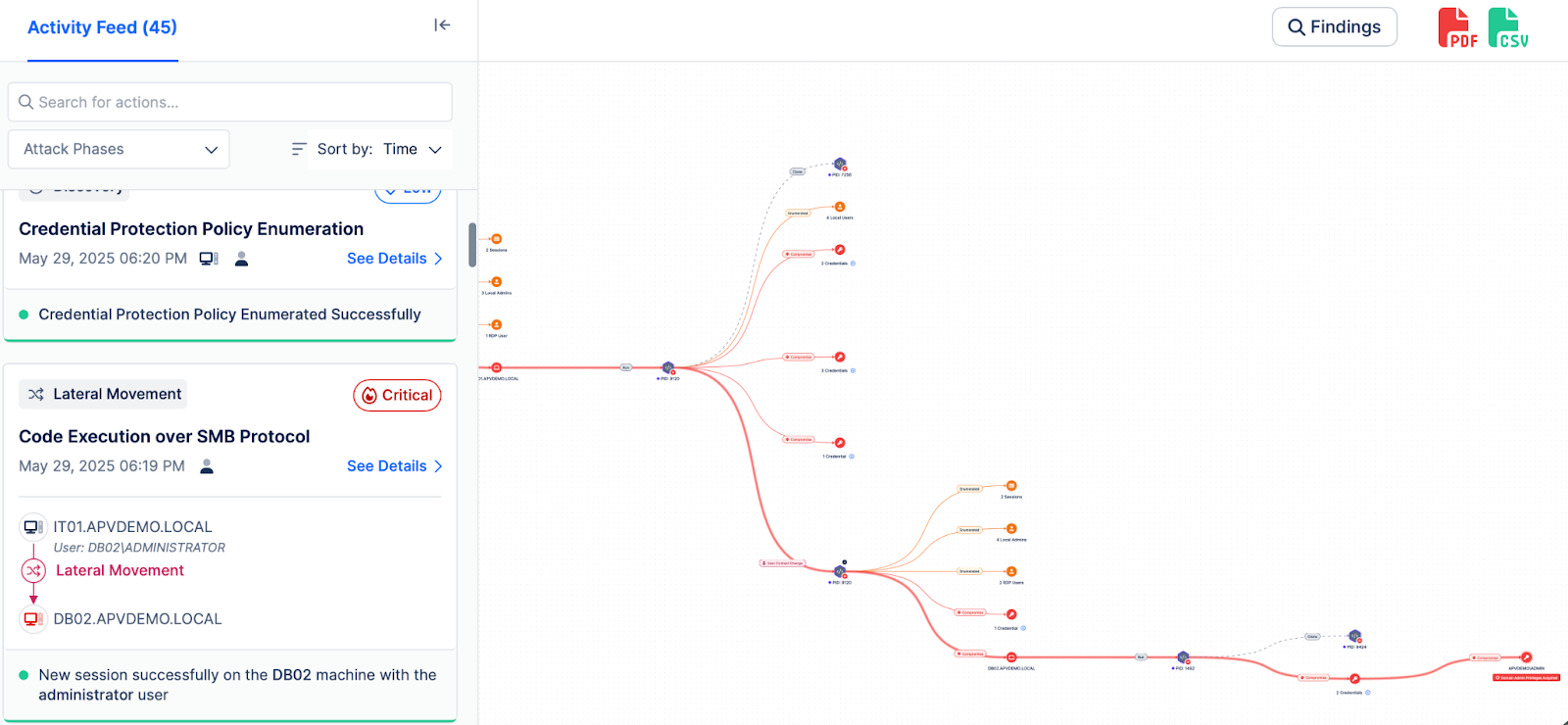
Figure 1. Automated Penetration Testing Is a Directional Testing Method
The declining findings aren't coverage. They're the illusion of it.
What Automated Penetration Testing Misses (And How BAS Fills the Gap)
Beyond diminishing returns, the scope limitation is even more consequential.
When automated pentesting vendors talk about coverage, they typically mean infrastructure and network attack paths. As shown in the above image, two surfaces get no coverage from automated pentesting.
Four get partial coverage at best. Not a single surface is fully covered.
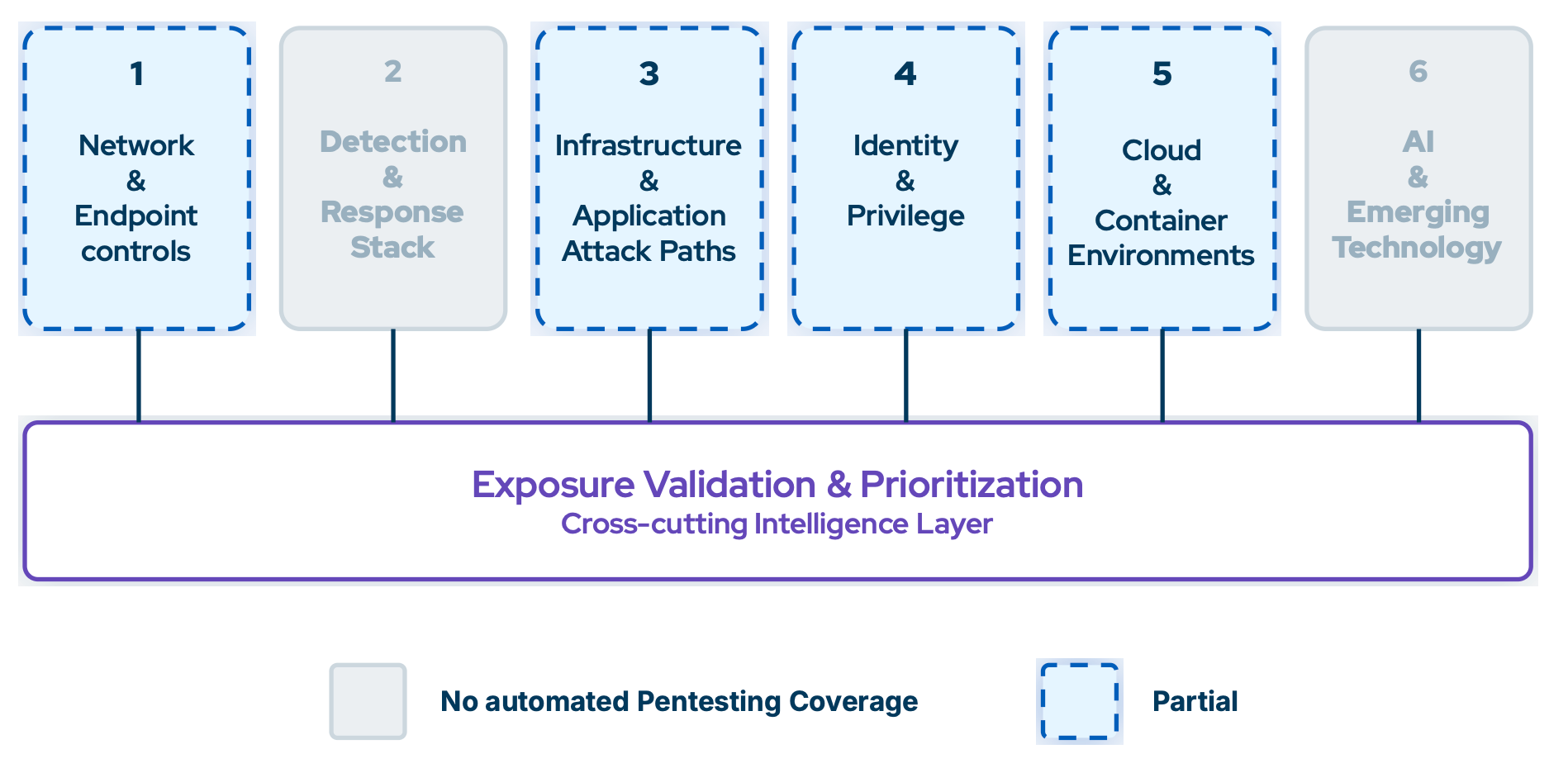
Figure 2. Which Security Layers Automated Pentesting Tools Miss
- Network & Endpoint Controls: Firewalls, WAF, IPS, DLP, and EDR are never confirmed to block what they're configured to stop. Controls fail silently; "configured" gets mistaken for "effective."
- Detection & Response Stack: No visibility into whether SIEM rules or EDR logic actually fire. The tool runs as the attacker — it can't observe the defender. Detection coverage is assumed, not measured.
- Infrastructure & Application Attack Paths: Infrastructure paths get mapped, but complex application-layer chains hit a "POC cliff" and often stay open to adversaries.
- Identity & Privilege: Existing paths are traversed, but Active Directory configurations, IAM policies, and privilege boundaries go unsystematically validated.
- Cloud & Container Environments: Dynamic Kubernetes policies and cloud controls drift without revalidation.
- AI & Emerging Technology: Guardrails for internal LLMs against jailbreaks, prompt injection, and adversarial manipulation go completely unvalidated.
That's 0 of 6 with complete validation. This creates a massive Validation Gap where today’s breaches actually happen.
Why BAS Alone Also Falls Short
BAS tools are exceptionally strong in breadth. It validates control effectiveness across a wide range of known tactics, catches configuration drift, and provides continuous, measurable validation across your defensive stack. That's its real value, and it's substantial.
What BAS doesn't do is chain real vulnerabilities together to demonstrate a proven, exploitable attack path in your specific environment.
BAS can simulate CVE exploitation to test whether your controls detect and block it, that's part of its value. But it doesn't determine whether an attacker could combine a misconfigured permission, a weak credential, and an unpatched service to achieve domain-level compromise. That's the job of automated penetration testing.

Figure 3. Automated Pentesting Tools Chain Vulnerabilities Together
A team running BAS alone has solid visibility into whether controls are tuned, but limited insight into the attack paths that exist regardless of how well those controls are configured. A sophisticated adversary doesn't just test controls, they route around them.
What Thousands of Picus Simulations Reveal About Real Security Gaps
The theoretical debate fades when you look at real-world numbers.
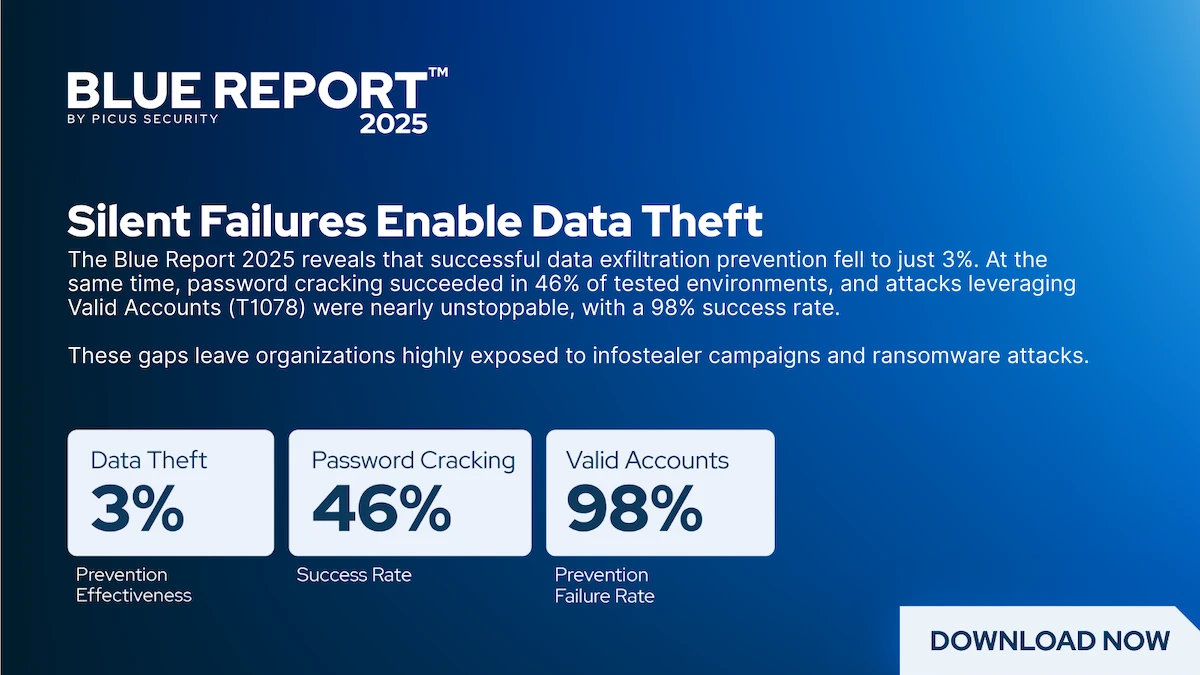
Figure 4. Picus Blue Report 2025 Statistics based on the BAS and Automated Pentesting Usage
Data from Picus Security's anonymized and aggregated customer assessments reveals why both technologies are necessary; they surface completely different halves of the same risk picture.
From the BAS perspective,
- The Blue Report 2025 found that only 14% of logged adversarial activity actually generates an alert.
- Data exfiltration prevention succeeds just 3% of the time.
- Credential-based access succeeds in 98% of tested environments.
- Controls are deployed, but they're failing quietly, and without BAS, organizations have no feedback loop telling them so.
|
From the automated pentesting perspective, with credential access succeeding 98% of the time, the downstream consequences are severe: 22% of organizations have an open, unvalidated attack path straight to Domain Admin. |
Two different tools. Two different approaches. Two distinct pictures of the same risk.
BAS shows you why the attacker isn't being caught. Automated pentesting shows you where they'll end up once they slip past your controls. Neither picture is complete without the other.
The Detection Gap: A Real-life Case Study That Makes It Concrete
Consider a Pass-the-Hash attack chain to a domain controller.
An automated pentesting tool discovers the exploitable path across four steps:
- initial access,
- credential dump,
- lateral movement via SMB, and
- domain admin compromise.
The tool validates each step in the chain. But at every step, critical defensive questions go unanswered.
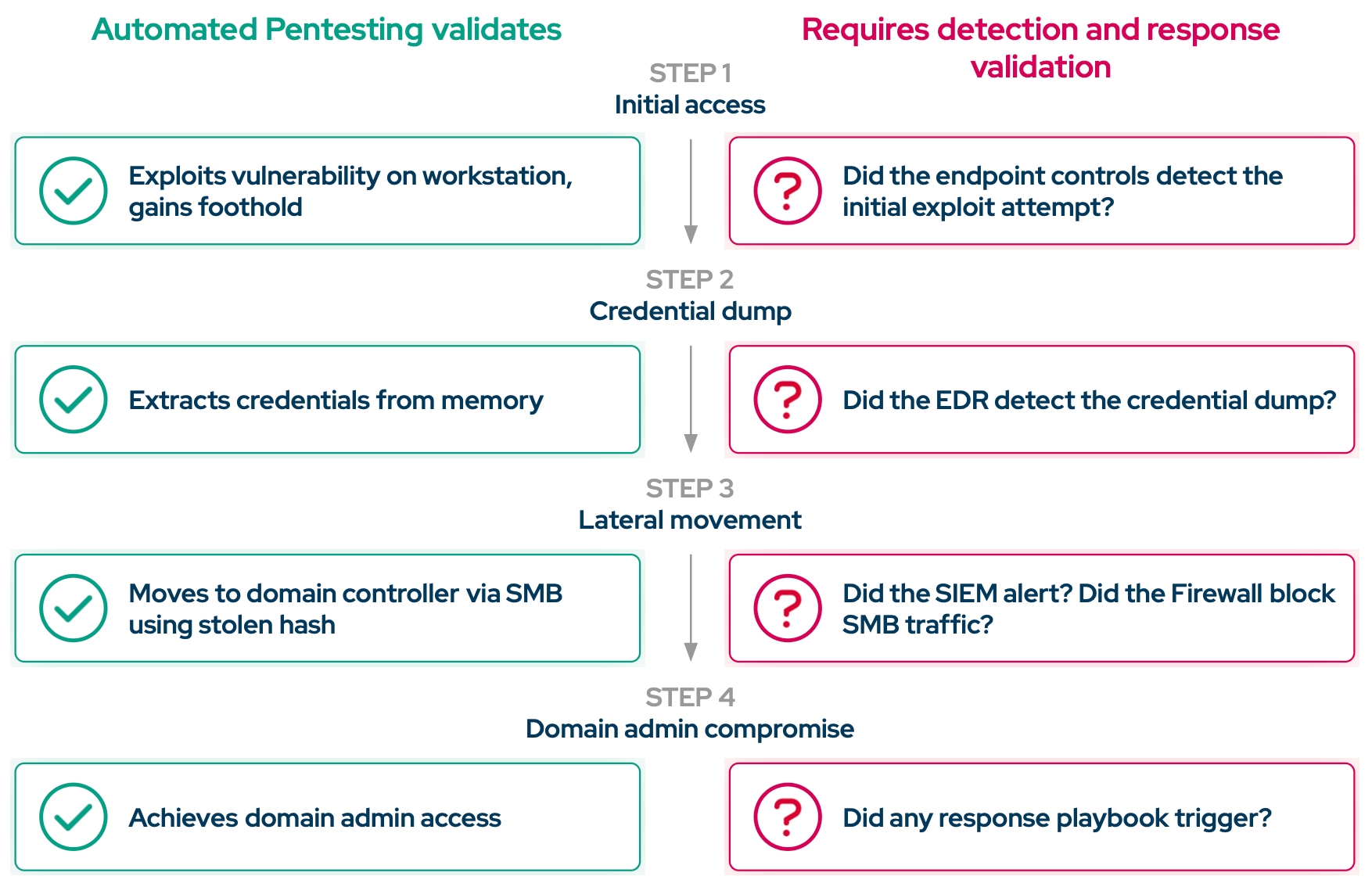
Figure 5. Real-Life Case Study of Pass-the-Hash Attack Technique in an Attack Path Leading to a Domain Admin Account Compromise
- Did the EDR detect the credential dump?
- Did the SIEM fire an alert on the lateral movement?
- Did the firewall between segments block the SMB traffic?
- Did any automated response playbook trigger?
The pentesting tool can't answer any of these. It's the attacker in this scenario, it has no visibility into whether the detection and response stack saw, caught, or responded to a single step in that chain.
Organizations running dedicated detection validation for the first time frequently discover that a significant portion of their SIEM rules fail to fire as expected, due to log source gaps, parsing errors, and rule logic drift that accumulated unnoticed. Automated pentesting will never surface these blind spots, because it operates on the other side of the wall.
Why "AI-Powered" Doesn't Change the Equation
Some automated pentesting vendors are returning with AI branding, promising that autonomous execution changes the game. Practitioners evaluating renewals should apply a straightforward test: autonomy changes how a tool runs within its existing scope. It doesn't expand that scope to cover the tactics, techniques, and procedures the tool was never built to reach.
- If the tool was testing three procedures per ATT&CK technique before, an LLM agent doesn't expand that to 300.
- If the tool's chain-dependent architecture meant a single blocked step left 20 downstream techniques untested, the agentic version still has the same dependency problem.
Scope gaps are architectural. Procedure gaps are by design. Chain dependencies are structural. None of them vanish when execution becomes autonomous.
The Three Questions That Cut Through Vendor Noise
Whether you're evaluating a new tool or challenging an existing vendor's renewal pitch, three diagnostic questions expose structural gaps before you commit budget:
1. Which of my attack surfaces does your product validate, and at what scope? If the answer doesn't address your detection stack, cloud environment, identity controls, and AI tools, those surfaces are being assumed safe rather than proven to be.
2. How does your platform distinguish exploitable vulnerabilities from theoretical ones? If the answer is CVSS scores, you're prioritizing against a list that doesn't reflect your actual environment's live security controls.
3. How does your platform normalize findings from my other tools? If the answer involves manual cross-referencing or exporting CSVs, the normalization gap is where your risk gets lost and your backlogs grow.
The Bottom Line
Relying on automated pentesting alone leaves your prevention and detection controls unvalidated. Relying on BAS alone leaves complex, multi-step attack paths unexplored. Neither is a silver bullet. Both are required components of a validation program that can withstand scrutiny from adversaries, auditors, and leadership alike.
The strongest move isn't choosing between them. It's building a layered validation architecture where each technology covers the other's blind spots, unified by an intelligence layer that normalizes their outputs into a single, prioritized action queue. That's how you close the validation gap instead of reporting around it.
 Get your report to arm yourself with three diagnostic questions that expose real coverage gaps in any vendor conversation.



.png?width=353&height=200&name=Picus-Frost%26sullivan-Awards-preview-april22%20(1).png)

.png?width=353&height=200&name=picus-cyber-fundamentals-6surfaces-validation-preview-april8%20(2).png)
.png?width=353&height=200&name=picus-cyber-fundamentals-6surfaces-validation-preview-april8%20(1).png)